
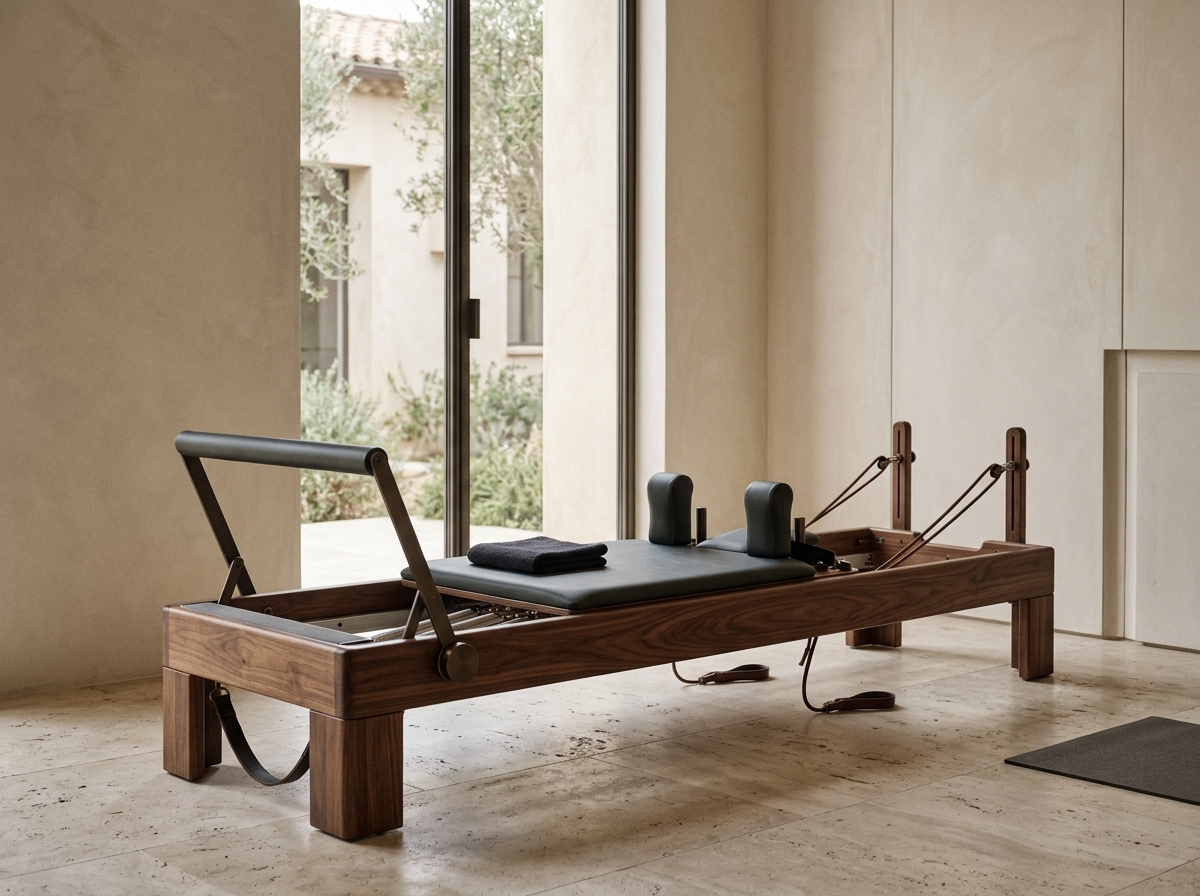
Short answer: Yes — well-run commercial Reformer Pilates studios consistently achieve 15%–25% net profit margins (and top independent operators push past 30%) once classes average 62%–75% fill across 6–8 daily sessions. However, profitability is never automatic: because a Reformer floor has a strict seat ceiling, studios live or die by four concrete ratios — keeping instructor pay inside 35%–44% of revenue, keeping rent inside 15%–20% of revenue, avoiding underpriced unlimited memberships, and avoiding $50,000+ retail equipment debt before month one.
How Reformer studio seat math actually works
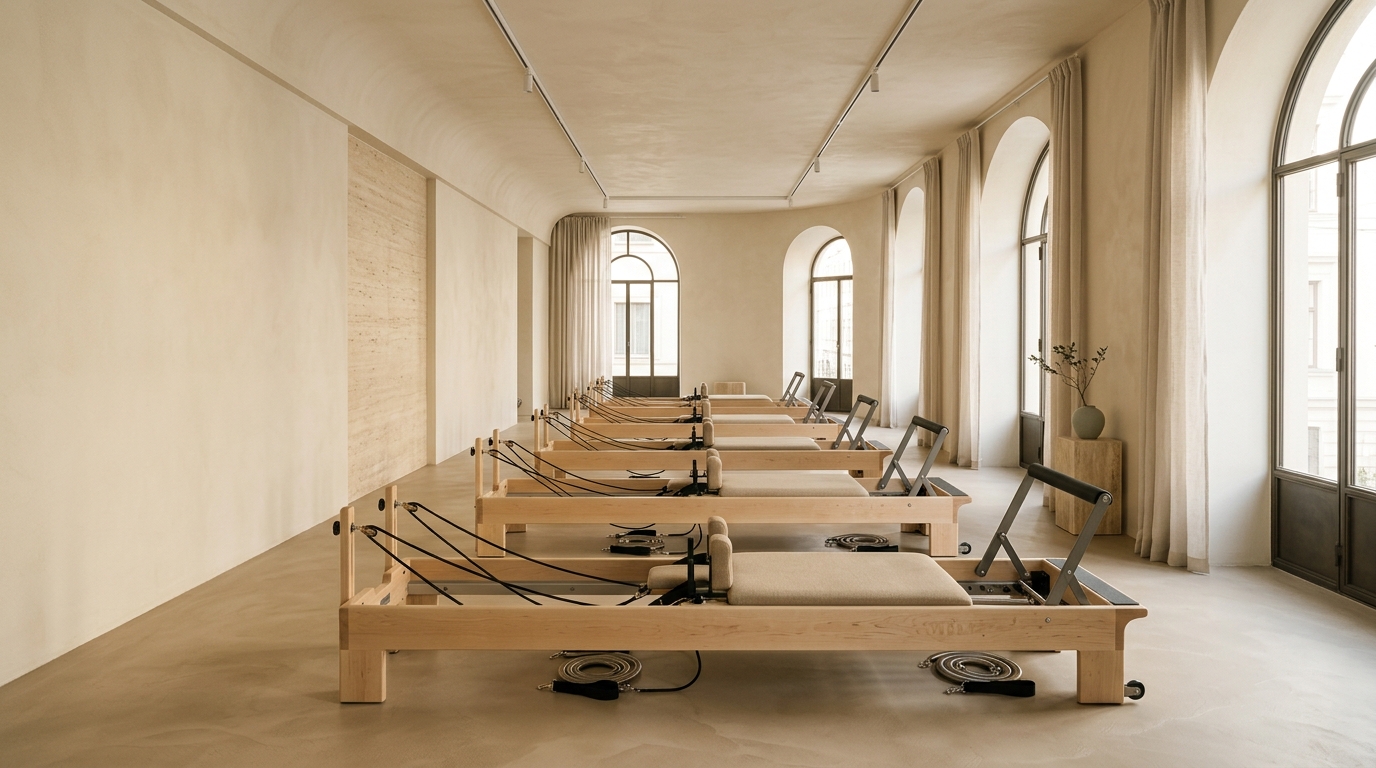
Unlike a mat yoga studio where you can squeeze two extra mats into a busy Saturday morning, a Reformer studio has a hard physical cap equal to the number of beds on the floor. Every empty carriage during a scheduled class represents fixed overhead — rent, utilities, software, and instructor base fee — that can never be recovered.
That fixed-cost structure cuts both ways. Once a 10-bed studio clears roughly 39%–45% occupancy, almost every additional booked bed flows straight into operating profit. Instead of relying on fantasy 90% spreadsheets, stress-test your business plan at a conservative 62% blended fill rate (85%–95% morning/evening peaks averaged with quieter midday slots) and $26–$32 blended yield per visit.
You can adjust all seven operating levers for your exact city inside our Pilates Studio ROI & Payback Calculator.
Monthly P&L comparison: 6 vs. 10 vs. 16 beds at 62% fill
The illustrative operating table below models 26 operating days per month, $28 blended yield per visit, and 62% average fill. Compare how instructor cost as a percentage of revenue drops sharply as bed count rises from 6 to 10:
| Monthly Metric (Illustrative Model) | 6-Bed Boutique | 10-Bed Commercial | 16-Bed Flagship |
|---|---|---|---|
| Daily Group Classes | 6 classes / day | 7 classes / day | 8 classes / day |
| Paid Visits / Month (@ 62% Fill) | ~580 visits | ~1,128 visits | ~2,063 visits |
| Gross Group Class Revenue (@ $28) | $16,240 | $31,584 | $57,764 |
| Instructor Cost ($45–$60 / Class) | $7,800 (48%) | $10,010 (32%) | $12,480 (22%) |
| Rent, Utilities, Software & Ads | $5,200 (32%) | $9,800 (31%) | $18,500 (32%) |
| Estimated Monthly Operating Surplus | $3,240 (20%) | $11,774 (37%) | $26,784 (46%) |
| Approx. Break-Even Fill Rate | ~49% | ~39% | ~33% |
Note: Figures above are before owner draw, corporate tax, and equipment finance. Notice why 10 beds is the commercial inflection point: instructor payroll barely rises between 6 and 10 Reformers while top-line seat capacity increases by 67%.
Pricing architecture and the “unlimited membership” margin trap
One of the fastest ways a busy-looking studio still loses money is selling cheap flat-rate unlimited memberships. If a client pays $199/month and attends 22 peak classes, your real yield collapses to $9.04 per bed while blocking $34 pack holders from booking 7:00 AM slots.
| Revenue Tier | Healthy Target Share | Typical Effective Yield / Visit | Role in Cash Flow |
|---|---|---|---|
| Tiered Recurring Auto-Pay (4, 8, or 12/mo) | 65% – 70% | $24 – $30 | Predictable monthly recurring rent coverage |
| 5-Class & 10-Class Packs (6-mo expiry) | 20% – 25% | $30 – $36 | Upfront cash inflows + higher per-visit yield |
| Single Drop-Ins & Intro 3-Packs | 5% – 10% | $18 intro / $38+ drop-in | New client acquisition funnel |
| Private / Duet Apparatus & Grip Socks | Add-on (10%–20% lift) | $85 – $130 / hr | Monetizes quiet 11 AM–3 PM floor hours |
Enforce a clear 12-hour late-cancel and no-show policy inside your booking software so waitlisted members automatically fill cancelled seats before class starts.
How factory-direct equipment sourcing shortens payback
Industry brokers typically quote 12 to 24 months to recover total startup investment for a new Pilates studio. Equipment is the single largest capital cost you can reduce without cutting member experience:
- Retail Brand Purchase (10 Reformers + 2 Chairs): Often lands between $42,000 and $62,000 delivered — adding $1,200–$1,800/month in equipment lease payments or draining 5 months of operating cash up front.
- Factory-Direct Commercial Package (MOQ 6+): Ordering a coordinated 10-bed studio package (including sea freight and ISPM-15 plywood crating) typically lands around $11,500–$18,000 — preserving $25,000–$40,000 for working capital, pre-launch founding-member ads, or opening site #2 a year sooner.
Filling midday quiet hours with Towers and Cadillacs
Almost every urban Reformer studio sells out 6:00–9:30 AM and 5:00–8:00 PM quickly, then watches beds sit empty from 11:00 AM to 3:30 PM. Experienced multi-site owners turn that midday window into an extra $3,000–$6,000/month in high-margin revenue using two apparatus additions:
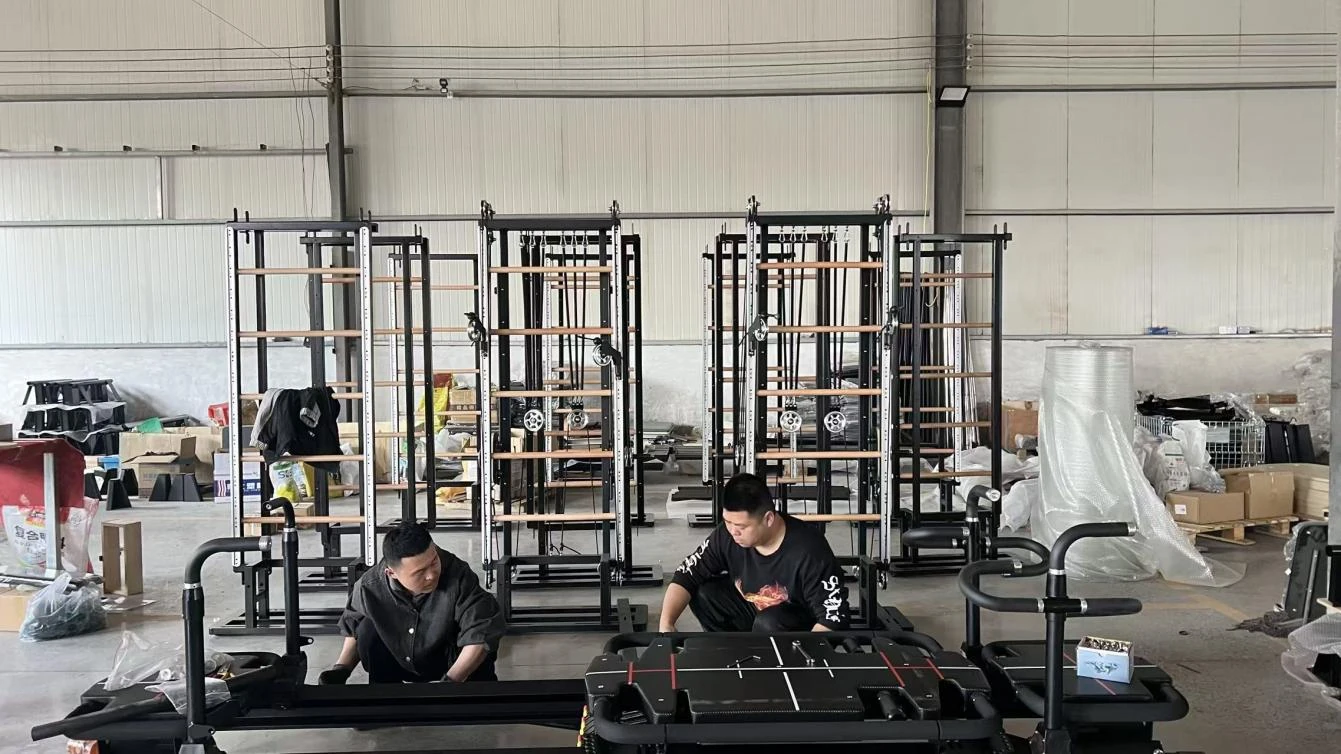
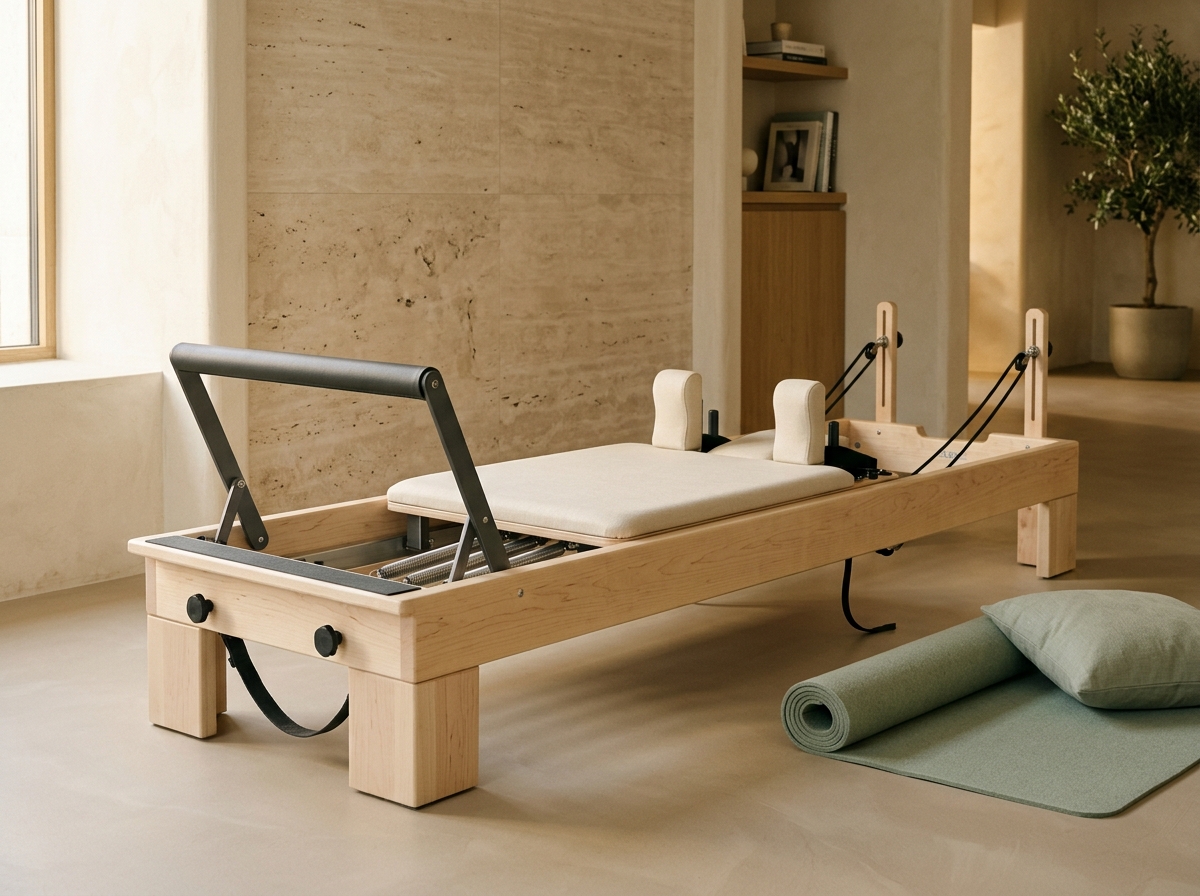
- Swap 2 group beds for Half-Trapeze Towers: Our Maple Reformer with Tower runs normal group classes at peak times and converts into a full spring-wall private station at midday for $85–$120 appointments.
- Partition a 15 m² private/rehab suite: Pairing one Studio Cadillac with a Split-Pedal Wunda Chair and Ladder Barrel captures postnatal, injury-rehab, and active-aging clients who actively prefer quieter daytime hours. Compare floor allocation in Reformer vs. Tower vs. Cadillac.
Protecting peak-hour margins with on-site spare parts
One broken spring hook or noisy carriage wheel during peak 7:00 AM and 6:00 PM slots costs $200–$300 every single week that bed stays offline. Whether you run solid maple or anodized aluminum frames, always pack SKU-matched spare springs, bearings, ropes, and straps inside your initial ocean order so studio staff swap wear items in ten minutes with zero lost bookings.
Before presenting numbers to a landlord or investor, pair your P&L with verified bed clearances from our studio dimensions guide and a 14-week opening calendar from How to Open a Reformer Pilates Studio.
Frequently asked questions on studio profitability
How many Reformers do you need to make a Pilates studio profitable?
How long does it take a new Reformer Pilates studio to break even?
What is a healthy rent-to-revenue ratio for a commercial Pilates studio?
Summary: four financial rules that protect studio profit
Profitable Reformer studios win on disciplined seat economics rather than hype: (1) size at least 8–10 beds wherever rent allows so break-even occupancy stays under 45%, (2) cap instructor cost under 40% and rent under 20% of realistic revenue, (3) build tiered auto-pay memberships instead of margin-destroying cheap unlimited passes, and (4) avoid $50,000+ retail equipment markups by sourcing coordinated commercial packages factory-direct with spare parts packed in the same shipment.
Run Your Studio's Break-Even & Payback Model
Enter your local class price, rent, instructor rate, and bed count to inspect monthly surplus and factory-direct vs. retail payback months.
Leave a Comment or Ask a Studio Question
Only your email address is required (never published). Your note is forwarded straight to our team for review and email follow-up.